All About Sugar; Disease, Inflammation, Insulin, & Fat Gain

So what really happens when you eat sugar?

You eat sugar, your insulin spikes, you get fat, end of story. That’s how the story goes for people who are trying to sell you their products. But, because you are reading this, you must already know that the likes of food babe and “Dr.” Mercola are full of crap. So what really happens when you eat sugar? Well let’s take a look at what the science says and dispel some myths and ease the fear caused by those only looking to line their wallets.
Inline image 1
Low Carb Diets
I’ll start by saying low carb diets work (1). They work because they force you to eat fewer calories than you use throughout the day. The same way that any weight loss program works. But it’s not due to some magical insulin pixie. When you cut out a ton of calories, you are going to lose weight. It may seem obvious, but too many people mix up the message. A big part of why cutting carbs lowers your weight is due to water. Switching to a low carb diet will cause an initial sharp increase  in total weight loss, but this is due to the drop in water weight that accompanies carb restriction (2). Of course this means that as soon as you start eating carbs again, you will regain the weight rapidly. Finally, many are successful on a low carb diet because it automatically increases protein, which helps to curb appetite (3). They also typically eliminate all junk foods, which is where our excess calories come from. Bottom line, if it works, it works.
Inline image 2
About Insulin
I have written about this twice before (Part 1Part 2), but the more internet garbage I read, the more I want to write about it. Here’s a good way think about insulin’s roll in weight gain “Insulin is like workers in a warehouse. Calories are the boxes that the workers have to stack on shelves. If there’s lots of workers (high levels of insulin) and lots of boxes (a calorie surplus) then the boxes are packed quickly, and you get a build up of calories, i.e. fat gain. If, however, you’re in a calorie deficitthere are no boxes for the workers to store, so no matter how much insulin is present, there’s nothing to be stacked, and no fat mass to be added.” In other words, the only time carbs actually contribute to fat gain is in the context of a calorie surplus. It is also important to note that insulin sensitivity issues are most likely a result of obesity than it is a cause (4). Bottom line, it’s not the insulin.
 
Fructose & High Fructose Corn Syrup
For some crazy reason, there are people on the internet who are ranting on about how bad fruit is for you because it has fructose in it. In short, fruit is good for you for many reasons, and fructose is not bad. Moderate levels of fructose consumption do not adversely effect body weight or blood chemistry. However, obscenely high levels of intake (>150 grams per day) may have undesirable health effects (5). High fructose corn syrup (HFCS) has been blamed for the rise in obesity over the years. But the reality is that HFCS is the same as any other sugar and has nothing to do with the rise in obesity (6). Bottom line, HFCS and fructose are sugar and nothing more. Keep your consumption in check and you will be fine.
Sugar Addiction
Not so long ago, I can remember news outlets around the US saying that sugar is as addictive as narcotics. The thought was that sugars would impact the pleasure center of your brain as well as energy-regulating hormones including insulin, leptin, and ghrelin. This issue was popular because it would mean that our addiction would lead us to eat more sugar, which would make us eat more calories, and therefore make us fat. These stories got lots of views and clicksso the media kept em comin for a while. The problem is that the stories were based on terrible studies. In reality, the “addiction” seen in animals (and possibly in humans) is due to intermittent access to sweet tasting or highly palatable foods, not the neurochemical effects of sugar (7). Bottom line, no one has ever needed to do a line of sugar because they got the shakes.
Inflammation, Diabetes, Heart Health & More
People from around the world, throughout history and today, have lived long, obesity-free and disease-free, lives while consuming carbs as much as 70% of their diets (8,9). If carbs themselves are fattening, these populations would not have had lean bodies and good health overall, regardless of how active they were. I’ve also heard talk around the gym lately that carbs, sugar in particular, cause inflammation and are therefore bad. Don’t get me wrong, chronic low grade inflammation is a real thing, and it is bad, but it’s not caused by fructose, high-fructose corn syrup, or glucose in normal-weight to obese adults. Not even when consumed in high amounts (10). There’s also little support for a relationship between sugar consumption and diabetes, increases in blood pressure, non-alcoholic fatty liver disease, or cardiovascular disease (11). Bottom line, there’s no link between sugar consumption at normal levels within the human diet and various adverse metabolic and health-related effects.
Night Time Carbs
You will never guess what I’m about to say. Carbs at night… are not bad! They can help you sleep, help fuel training performance the next day, and carbs at night will have absolutely no negative effect on fat loss (12). Consuming food at night has no effect on overall metabolism either. Bottom line, be happy with your meals and don’t sweat that night time snack.
 
Final Thoughts
Low carb diets are good and bad. As mentioned before, going low carb or ketogenic means your diet is higher in protein, which helps to curb appetite and eliminates junk foods, which is where our excess calories come from. But in the long term, it means you have to sacrifice a lot. You will have a harder time going out and eating with friends, preparing meals will become far less convenient (especially for sandwich lovers like myself). You might feel worse, and have lower energy and overall mood. If anything, it will make it harder to lose fat in the long run due to a (slightly) lowered metabolism (13). Some may say “if it works, it works” but is it really worth the sacrifice? That’s up to you. The bottom line however, is that carbs don’t make you fat. So the next time someone says that sugar is making the world fat, tell them “it’s because of junk food as a whole – the total calories – and not just the carbs.”
References
1. Westman, E. C., Yancy, J., William S, Mavropoulos, J. C., Marquart, M., & McDuffie, J. R. (2008). The effect of a low-carbohydrate, ketogenic diet versus a low-glycemic index diet on glycemic control in type 2 diabetes mellitus. Nutrition & Metabolism, 5(1), 36-36. doi:10.1186/1743-7075-5-36
2. Kreitzman, S. N., Coxon, A. Y., & Szaz, K. F. (1992). Glycogen storage: Illusions of easy weight loss, excessive weight regain, and distortions in estimates of body composition. The American Journal of Clinical Nutrition, 56(1 Suppl), 292S.
3. Westerterp-Plantenga, M. S., Lemmens, S. G., & Westerterp, K. R. (2012). Dietary protein – its role in satiety, energetics, weight loss and health. The British Journal of Nutrition, 108 Suppl 2(S2), S105. doi:10.1017/S0007114512002589
4. Kahn, S. E., Prigeon, R. L., McCulloch, D. K., Boyko, E. J., Bergman, R. N., Schwartz, M. W.. . Palmer, J. P. (1993). Quantification of the relationship between insulin sensitivity and beta-cell function in human subjects. evidence for a hyperbolic function. Diabetes, 42(11), 1663.
5. Madero, M., Arriaga, J. C., Jalal, D., Rivard, C., McFann, K., Pérez-Méndez, O.. . Lozada, L. S. (2011). The effect of two energy-restricted diets, a low-fructose diet versus a moderate natural fructose diet, on weight loss and metabolic syndrome parameters: A randomized controlled trial. Metabolism: Clinical and Experimental, 60(11), 1551-1559. doi:10.1016/j.metabol.2011.04.001
6. White, J. S. (2008). Straight talk about high-fructose corn syrup: What it is and what it ain’t. United States: American Society for Clinical Nutrition, Inc. doi:10.3945/ajcn.2008.25825B
7. Westwater, M. L., Fletcher, P. C., & Ziauddeen, H. (2016). Sugar addiction: The state of the science. European Journal of Nutrition, doi:10.1007/s00394-016-1229-6
8. Lindeberg, S., Eliasson, M., Lindahl, B., & Ahrén, B. (1999). Low serum insulin in traditional pacific islanders—The kitava study. Metabolism, 48(10), 1216-1219. doi:10.1016/S0026-0495(99)90258-5
9. Zhou, B. F., Stamler, J., Dennis, B., Moag-Stahlberg, A., Okuda, N., Robertson, C.. . INTERMAP Research Group. (2003). Nutrient intakes of middle-aged men and women in china, japan, united kingdom, and united states in the late 1990s: The INTERMAP study. Journal of Human Hypertension, 17(9), 623-630. doi:10.1038/sj.jhh.1001605
10. Kuzma JN et al. (2016).No differential effect of beverages sweetened with fructose, high-fructose corn syrup, or glucose on systemic or adipose tissue inflammation in normal-weight to obese adults: a randomized controlled trial. Am J Clin Nutr.
11. Rippe, J. M., & Angelopoulos, T. J. (2016). Sugars, obesity, and cardiovascular disease: Results from recent randomized control trials. European Journal of Nutrition, doi:10.1007/s00394-016-1257-2
12. Afaghi, A., O’Connor, H., & Chow, C. M. (2007). High-glycemic-index carbohydrate meals shorten sleep onset 1,2,3. The American Journal of Clinical Nutrition, 85(2), 426.
13. Johnston, C. S., Tjonn, S. L., Swan, P. D., White, A., Hutchins, H., & Sears, B. (2006). Ketogenic low-carbohydrate diets have no metabolic advantage over nonketogenic low-carbohydrate diets. The American Journal of Clinical Nutrition, 83(5), 1055.

Stopping DOMS

Today’s post is all about mitigating Delayed Onset Muscle Soreness (DOMS).

Today’s post is all about mitigating Delayed Onset Muscle Soreness (DOMS). Now I want to be clear that DOMS is neither a good or a bad thing. It is just a part of the exercise experience for all of us. However, no one wants to be disabled the day after a heavy exercise session. So in an attempt to help us all walk normally after leg day, I will do my best to explain what causes DOMS, and how to dampen it.
Speaking of leg day, I think we have all been there. Day 1 you squat. Day 2 you feel tight. Days 2.5-4  you feel like every step, stair, and leg movement will make you cry. Days 6-7 you start to feel better and you do leg day again. This problem is experienced frequently and more severely with the initiation of an exercise program in a previously untrained person or muscle group. There is debate as to the exact cause of DOMS, however it is safe to say that muscle damage plays a large roll in its causation.
Here are a few ways to prevent DOMS when starting a new program, brought to you by the NSCA.
1. Caffeine! That’s right, a cup of Joe can help relieve some of that muscle pain. But the dose and timing make this intervention difficult to nail down. Around 5 mg/kg before a workout is recommended, but that equation isn’t always right for everyone.
2. Cryotherapy – This fancy term for ice bath, is an intervention that has been used for years. But realistically it’s just not practical. No one likes to be dunked in cold water, and especially not for the 10 minutes suggested. But hey, I won’t stop you if you want to turn your self into a Popsicle to avoid a little pain the day after a heavy lift.
3. Branched-chain amino acids (BCAA) – I am personally not a big fan of this intervention. Research shows that it has modest effects, and there’s no consensus on how much to take or when. For me, the best option is to take a high quality protein before and after exercise. It’s cheaper, tastier, and has a multitude of additional benefits.
4. Aerobic exercise – This should already be a part of your exercise routine, so it should be easy to implement. Doing 10-20 minutes worth of cardio before resistance exercise, or using active rest between sets, can be a great way to off set some DOMS.
I hope you all learned about some new ways to decrease your DOMS. Be sure to check out the full article for more information about each intervention, and to check out some of the science behind it all.

Serape Diem: Functional Core Exercise’s You Should Be Doing

How are you going to translate the force produced from those strong legs to the arms? By utilizing the Serape effect of course!!!!

Imagine your body is made up of two big blocks of meat. You have your upper body and you have your lower body. Now imagine you want to use both of those big blocks of meat simultaneously to do something like throw/hit a ball, dig a hole or golf , push a cart full of groceries, or punch a heavy bag. How are you going to translate the force produced from those strong legs to the arms? By utilizing the Serape effect of course!!!! The Serape effect is basically the use of the core to translate force from the lower body through the arms. There are a variety of “functional” exercises that you can, and should, be doing to make sure you’re not overusing joints which can lead to injury. So now that you have a little background knowledge, let’s dive into today’s post!

“Functional”

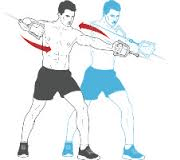
The term “functional training” is a bit of a buzzword garbage term. My favorite quote regarding this is from James Fell that says “It’s meaningless. Any time someone says an exercise is functional it means they don’t know what they’re talking about. All exercises are functional. Your mom is functional.” Funny and true. All exercise has function, and a variety of exercise is important to maintain function. For instance, if you exclusively use exercise machines, you may lose the ability to use those strong muscles in a rotational fashion. That’s where the functional aspect of training the Serape comes in. Broadly, the core  can be described as being between the joints of the shoulders and hips.The muscles that attach the pelvis, spine, and rib cage perform many functions. Hip musculature generates the majority of power, then transfers it upward through the linkage to the arms through a “stiffened” core, which creates efficient transfer of forces, and is one of the keys to injury prevention. The Serape involves these features from both ends of the core in a spiral pattern (1). It actually wraps itself around the trunk of the body, perfectly designed for rotating the hips and shoulders in an opposite direction allowing the hips to lead and the shoulder to follow in many ground-based activities such as throwing, batting, golfing, or punching (2). Take a look at the pictures below and/or this video for a good visualization of how it works.

If you’re a nerd like me and want to know what exact muscles are involved, here are some pictures detailing the exact muscles used with the Serape.

Serape Training For Beginners

Training the Serape muscles is easier than it looks. Yes, there are a lot of muscles involved. But remember, we are not isolating any single muscle in particular, we are learning how to use them all in an efficient manner. If you’re not doing so already, you will want to start doing Olympic-style lifts and traditional strength lifts such as squats, bench press, and pull-ups. These are non Serape specific exercises, but if you don’t have strength in the upper and lower body then you won’t have strength to translate through the core to begin with! You will also want to start by training the four basic trunk movement patterns with dynamic and/or static exercises. Beginners should do exercises that train in what we call single-plane basic movement patterns. Single-plane exercises are usually easy to learn and include exercises such as the crunch (trunk flexion), back extension/hyper-extension (trunk extension), Russian twist (trunk rotation), and side bend (lateral flexion) (3).

For those more advanced, you may want to consider multi-plane exercises that target areas you’re not getting with your standard training. This is because there is huge inter-personal variety in terms of which ab-exercises work best for whom (4). By simply extending your arms over your head during a crunch, you can drastically increase abdominal muscle involvement. Take a look at the chart below to get an idea of what exercises work for different parts of the core (the lower the number the better). Before we move on to the last section of this post, I think it’s important to note that any exercise performed for abs will always use all the muscle groups that compose the abdominal wall when done correctly. Proper technique is paramount to all exercise, so make sure that you consult a professional if you are a novice, are unsure of what you’re doing, or experience pain during exercise.

Hard Work Pays Off

While it’s been long proven that abdominal exercises won’t turn a beer belly into a six pack, we do know that core exercises are paramount for a healthy body and for safety during exercises that will get you strong and help you lose weight (5). Core stiffness enhances athletic performance, and guess what your doing at the gym?… performing athletically (6)! So once you have set the foundation of a strong body, you can get into the fun exercises that greatly enhance your athletic performance on and off the playing field, (aka daily life activities). Here are some of the best ways to train the Serape movement pattern:

– Rotating exercises done from a standing position and alternating punching/pressing and pulling

– Utilize various stances, 2-arm and single-arm loading

– Alternating pressing/pulling patterns, as well as different stepping movements

I’ll finish up by reminding you of why we are working on the core and Serape. Muscles of the Serape form a spiraling system that enhances the efficiency of cyclic activity such as walking, together with power and speed activities such as throwing and golf. The stiffened core enables power produced in the lower limbs to transfer to the joints of the upper end of the core (or vice versa) forming a whip. So get of those machines and start whipping yourself into shape!

Don’t forget to like me on Facebook!

References

  1. Santana, JC., McGill, Stuart M., Brown, LE., (2015). Anterior and Posterior Serape: The Rotational Core. Journal of Strength and Conditioning Research, 37(5), 1519
  2. Santana JC. The serape effect: A kinesiological model for core training. Strength Cond J 25: 73–74, 2003.
  3. Willardson, Jeffrey M., editor of compilation, & ebrary, I. (2014). Developing the core. Leeds: Human Kinetics.
  4. Boeckh-Behrens & Buskies, Fitness- Krafttraining. Die besten Übungen und Methoden für Sport und Gesundheit, 2000
  5. Vispute, S. S., Smith, J. D., LeCheminant, J. D., & Hurley, K. S. (2011). The effect of abdominal exercise on abdominal fat. Journal of Strength and Conditioning Research, 25(9), 2559.
  6. Lee, B. C. Y., & McGill, S. M. (2015). Effect of long-term isometric training on core/torso stiffness. Journal of Strength and Conditioning Research, 29(6), 1515.

How Much Should You Rest Between Sets?

In today’s post is I’m talking about doing nothing.

In today’s post is I’m talking about doing nothing. Well really I’m talking about how much time should you wait between your sets. As you could imagine, it depends on what your goals are. But for most of us the answer is “as little as possible.”
Well the following information is for those of you looking to lose weight and gain muscle. If these aren’t your goals then this information may not be for you. So here are some reasons why 1 minute is the target rest time for most of us.
 – Compared to a 3m rest, 1m rest intervals cost 36% higher energy expenditure!!!
 – The smaller rest time stimulates greater muscle growth which of course is needed to look toned and trim
 – You shorten your overall time training… and who wouldn’t want to do that?!?!
 – This short rest time, and other forms of HIIT have been shown to be way better than spending hours on the treadmill in the “fat burning zone”.

Cutting Through Crap & Real Solutions For Nutrition, Health, & Life

The truth is that the health and fitness industry is so rife with crap because, well, we buy it. Let’s take a look at what can be done, how to educate yourself so you don’t waste money, and how simple it is to really be healthy and happy with your body.

What if I told you I had THE ONE SIMPLE TRICK to get you to lose weight and gain muscle fast? All it takes is… laser treatmentssuper shakes,eating for your body typeweight loss wraps, or some other bald faced lie. The truth is that the health and fitness industry is so rife with crap because, well, we buy it. We are all looking for the magic bullet to get us to where we want to be. Admittedly, most people, including myself, think it would be nice right? But in reality, you can’t alter your height, limb or torso length, and most other characteristics determined by your genetics. It’s not about trying to look like “her/him”;  it’s about being the best version of yourself. So let’s take a look at what can be done, how to educate yourself so you don’t waste money, and how simple it is to really be healthy and happy with your body.

Inline image 1

My Redundant Plea

I have written on several occasions about where to go for good advice/where bad info comes fromhow to spot bad swindlers/bad science, and why you need to think critically about your investment in your health and fitness goals. But, after another week of fielding questions about “which shake should I be drinking” and “how many carbs should I have”, I wanted to pick on a few more mind boggling BS claims. The powdered unicorn fart capsules known as shakeology, detox/cleanse, super supplements, and Gwyneth Paltrow continue to make people lose weight by making their wallets lighter. And it’s not just your local 20 something trainer caught up in a multilevel marketing scheme, it’s people who have credentials who are getting in on the action. Take “Dr.” Joseph Mercola seen below who continues to blur the lines between business and medicine.

Inline image 2

These folks, and those who claim that you have to sacrifice, suffer, and deprive yourself to build a better looking body and that eating well and working out has to become your entire life, suck. They may make claims that their workout program will make you a battle-ready warrior or superior specimen of the human race, and that their diet will make you bulletproof. They may speak in absolutes stating “women should always do A, B, and C”, or “women should never do X, Y, and Z.” They use words like “groundbreaking” and “revolutionary” frequently when describing quick-fix fads and gimmicks. You may encounter entire groups that put down other people who don’t work out or eat the way they do. For the record, any group claiming to be better than others because of their health and fitness lifestyle has eaten too many of their own poop sandwiches. Speaking of poop sandwiches, just because someone had success with a particular diet or workout program doesn’t mean it’s the best option for you. Anything promising to make your muscles “long and lean” or says you can look like someone else is, once again, a turdy bacon club sandwich. Diets that blame a macronutrient (e.g., fat, protein, carbohydrates) or food group (e.g., dairy) for hindering your fat loss efforts are, you guessed it, crap.CARBS WILL NOT MAKE YOU FAT!!!!! Science (1). A low-fat diet isn’t a benefit because eating fat doesn’t cause disease. NOT eating it probably does, and we now know the body even needs some saturated fat to function optimally (2). Salt won’t kill you or drive up blood pressure if you’re generally healthy (3). And gluten… well what can be said other than food marketers have simply found another way to convince you that their bag or box of garbage is healthy (4).

Find the people who know their stuff, and learn from them. You can, again, check out my favorite “go to” resources here, but in short, Alan Aragon,Precision Nutrition, and Brad Schoenfeld will always be on my short list of trusted information sources.


Simple, Practical, Crap Free Advice

Now that we have bravely made it past the organic corn fill BM that is much of the fitness industry, let’s take a look at some info that will actually help.

-First up, short cuts don’t exist. Like many other aspects of life, if you truly want to achieve a goal, you must put in some effort.

-Strict diets are not sustainable long-term and exercise is not punishment. Your best bet is to eat real food with ample amounts of fruits and vegetables, and you’ll reap far greater results by consistently doing exercises you like (e.g. hiking, take a group fitness class, start learning martial arts, or anything that sounds fun to you) rather than haphazardly doing something deemed perfect. Find out what you like for both nutrition and exercise, and you will see results and be much happier in the long run. Isn’t that what it’s all about in the end anyways?

-Know that gimmicks prey on your insecurities (and even create new ones). You don’t have to be miserable or deprived. Stick to the basics: eat mostly real, minimally processed foods, and strength train 2-4 days per week, and get enough sleep. These should be done according to your preferences and time availability.

-If you make a mistake, or even fail completely, don’t beat yourself up. Practice some self-compassion and then move on and do something positive when possible.


I am going to talk about looking and feeling confident because if you want that shredded, 6 pack abs, glistening muscles, ripped look, you may want to think about what it takes to get there. First of all, it’s tough to get and stay lean enough to look like Khal Drogo. It takes dedication, knowledge, and a win of the genetics lottery. But from disease risk to brain function and physical performance, a healthy diet is vital for every aspect of life. So to feel confident enough to take off your shirt at a pool party or feel like you can take on the world (or a last minute 5k you get invited to), then you will want to look into these rational steps.

  1. Know that total calorie intake is key (5). If you put in more calories than you burn, you will store them as new muscle or body fat. If you consume fewer calories than you burn every day, you will lose weight (6).
  2. Know what macro nutrients are. Carbs4 calories per gram. All starchy foods like bread, pasta and potatoes. Also includes fruit, legumes, juice, sugar and some dairy products.

Protein 4 calories per gram. Main sources include meat and fish, dairy, eggs, legumes and vegetarian alternatives like tofu.

Fats 9 calories per gram. Main sources include nuts, seeds, oils, butter, cheese, oily fish and fatty meat.

  1. Know what whole foods are. Basing your diet on whole foods is an extremely effective but simple strategy to improve health and lose weight. They are the unprocessed foods containing only one ingredientthat should be eaten at least 80-90% of the time. So if the product looks like it was made in a factory, then it’s probably not a whole food.
  2. Know that no food is strictly off limits. However, overeating certain foods like processed low-fatproducts and refined carbscan increase disease risk and lead to weight gain (7).
  3. Know that by controlling your portions, you are more likely to avoid consuming too many calories. To avoid portion distortion, you can use smaller plates and take a smaller-than-average first serving, then wait 20 minutes before you return for more. You can also use the hand method.
  4. Know how to assess your calorie needs. You can use a calorie calculatorfree calorie/nutrienttrackers, or simply consider increasing protein intake. Protein shakes can be very helpful, but know that what type you buyis also based on your goals.
  5. Know that most people regain all the weight they lost soon after attempting a weight loss diet (8). To avoid being a statistic, follow the rule that if you can’t see yourself on this diet in one, two or three years, then it’s not right for you. Making a sustainable diet means that you can enjoy and stick with it for the long term. If you want unhealthy foods, save them for an occasional treat.


Don’t forget to like me on Facebook!

References

  1. Kreitzman, S. N., Coxon, A. Y., & Szaz, K. F. (1992). Glycogen storage: Illusions of easy weight loss, excessive weight regain, and distortions in estimates of body composition. The American Journal of Clinical Nutrition, 56(1 Suppl), 292S.
  2. Skeaff, C. M., & Miller, J. (2009). Dietary fat and coronary heart disease: Summary of evidence from prospective cohort and randomised controlled trials. Annals of Nutrition and Metabolism, 55(1-3), 173. doi:10.1159/000229002
  3. Cohen, H. W., Hailpern, S. M., Fang, J., & Alderman, M. H. (2006). Sodium intake and mortality in the NHANES II follow-up study. The American Journal of Medicine, 119(3), 275.e7-275.e14. doi:10.1016/j.amjmed.2005.10.042
  4. Reilly, NR. (2016) The Gluten-Free Diet: Recognizing Fact, Fiction, and Fad. The Journal of Pediatrics. , Volume 0 , Issue 0 ,DOI:http://dx.doi.org/10.1016/j.jpeds.2016.04.014
  5. Swinburn, B. A., Sacks, G., Lo, S. K., Westerterp, K. R., Rush, E. C., Rosenbaum, M.. . Ravussin, E. (2009). Estimating the changes in energy flux that characterize the rise in obesity prevalence. The American Journal of Clinical Nutrition, 89(6), 1723.
  6. Hall, K. D., Heymsfield, S. B., Kemnitz, J. W., Klein, S., Schoeller, D. A., & Speakman, J. R. (2012). Energy balance and its components: Implications for body weight regulation. The American Journal of Clinical Nutrition, 95(4), 989.
  7. Gross, L. S., Li, L., Ford, E. S., & Liu, S. (2004). Increased consumption of refined carbohydrates and the epidemic of type 2 diabetes in the united states: An ecologic assessment. The American Journal of Clinical Nutrition, 79(5), 774.
  8. Dulloo, A. G., & Montani, J. ‐. (2015). Pathways from dieting to weight regain, to obesity and to the metabolic syndrome: An overview. Obesity Reviews, 16(S1), 1-6. doi:10.1111/obr.12250

Carbs Are Not The Enemy! Part 2

To see the big picture lets focus back in on what else is driving the obesity epidemic.

I had such a great response to last weeks post that I decided to do a part 2 on carbohydrates (CHO) and its relationship to obesity! So once again the focus will be on insulin, and like last week the information is not all inclusive and does not cover everyone with a special need, disease, or condition. Of course before I dive in I want to remind everyone that for healthy individuals, insulin is very tightly controlled by the body and there is no reason at all to fear it. And as a refresher on what insulin does I’ll remind you that one of insulin’s main roles is to maintain glucose homeostasis.
So this week I am going to start by saying why CHO’s are bad according to a couple of sources.
 – Increased sugar consumption has significantly contributed to the rise in obesity and metabolic diseases
 – There is an association between risk of overweight and obesity and fructose-containing sugars consumed as sugar-sweetened beverages
 – High intakes of highly palatable foods like refined grains, processed meats, red meats, French fries, and potato products play a role in weight gain
 – Insulin levels are typically increased in obese individuals
At this point you may be asking yourself “wait what? I thought this was about how carbs aren’t bad for me?” I will say first and foremost thatassociation is not causation. This means that the previously mentioned issues are only part of the problem. To see the big picture lets focus back in on what else is driving the obesity epidemic.
 – Physical inactivity!!!!!!!!!! (as I sit in front of a screen I realize that I’m a hypocrite… I’m doing 10 squats before I write more and so should you!)
 – Over consumption of all foods is associated with overweight and obesity
 – Western dietary pattern and lifestyle in general is just a culture of poor decisions
I say this because I really dislike absolutes. As in CHO’s are the reason why we have an obesity crisis. To me it doesn’t make sense. We have been eating the stuff forever without issue so why all of a sudden is it becoming a problem? Why are so many people blaming sugar and insulin to be the issue? Well the first, and most obvious, answer to this is that individuals want to make a quick buck off of a product, book, or alternative health care product. The second answer is that some individual just don’t understand whats really the issue. So here are some bullet point’s on why an increased insulin response to CHO consumption leading to lipogenesis (energy stored as fat) is not likely the mechanistic cause of the obesity problem.
 – The supportive data for insulin being the bad guy are largely supported by ecological observations, rodent models of overfeeding (humans are not rats), and select human trials (all are poor evidence)
 – There have been no high quality studies showing that fructose-containing sugars behave differently from any other forms of energy intake
 – Although the food mentioned earlier are associated with increased levels of obesity, total sugars or other important sources of added sugars such as cakes, pastries and sweets have not
 – If insulin was the true problem, we would observe increased insulin in all cases of obesity
 – While there is increased insulin in obese people (in most cases), it appears its action is reduced (i.e. its action of lipogenesis and reducinglipolysis on fat tissue is decreased)
 – Insulin can have short-term effects on how nutrients are stored in the body for things like muscle glycogen synthesis and muscle protein synthesis
 –
So what the hell does this all mean? Well to sum it all up I can say that CHO’s do not cause obesity. They do however, play an important roll. It is way to easy to consume CHO’s in large quantities so it’s important to know how much energy you are taking in. Insulin is a substrate conductor that tells your cells what to use for fuel and can be manipulated to optimize fuel portioning to promote fat oxidation and recovery from workouts. What this all means is that obesity is likely the cause of insulin resistance, and NOT the driving factor behind it.
For more information I recommend you read the three fantastic articles. Additionally check out this TED talk for more thoughts on insulin resistance.

Carbs Are Not The Enemy!

A highly controversial, and often a highly confused, subject.

Today’s post is about a highly controversial, and often a highly confused, subject. Carbohydrates (CHO) has been villainized by many in the health and fitness industry. However, as a lover of CHO’s, I thought I’d take the time to answer the question“do carbohydrates make us fat”?
Obviously, what I am about to write is not all inclusive and does not cover everyone with a special need, disease, or condition. But I think it is important for everyone to know that science isn’t always on the side of certain authors and their view points.
So let’s get to it. When it comes to CHO’s being bad, many point the all mighty finger of blame towards the “I” word. The word even makes some people feel a wee bit squeamish… INSULIN. Now before we go any further I want you to be comfortable with the word. So I will let you in on a little secret. For healthy individuals, insulin is very tightly controlled by the body and there is no reason at all to fear it. For those of you who are not sure what the hell I’m talking about, here is a brief history on how insulin works, and why some people think it’s bad.
Down Insulin! Bad Hormone! 
 – Insulin is a hormone that is released by the pancreas, and interacts with skeletal muscle, the liver, and our adipose tissue (fat)
 – When we eat CHO’s (sugars) insulin is released into the blood stream where it tells muscles to absorb sugar and and use it as fuel.
 – Because the liver releases sugar when our blood sugar gets too low, insulin replenishes what is lost there too
 – When the liver and muscle cells are filled up with sugars, insulin will turn the excess CHO into fat
 – Insulin decreases the rate of lipolysis (break down of fat for energy) in fat tissue and does stimulate fatty acid and triacylglycerol production
Why This Process DOES NOT Make You Fat
 – When we are resting our bodies use fat as the primary fuel source
 – When we work out, our body is using stored sugars as fuel so we typically need to top it off when we eat
 – Storing fat would require us to have a constantly high signal of insulin
 – Insulin is simply a switch in which fuel source we use, thus it tells us when we should burn sugar because we have enough of it to burn, but it does not tell our body that we should become fat!!!
Still wana be on that high protein diet because CHO’s are scary? Well the reality is that some high-protein foods elicit a greater insulin response than high-carbohydrate foods. In fact all proteins come with an insulin response. So by that logic, those who think that CHO’s affect on insulin is the cause of obesity must recognize that consuming protein would also encourage fat accumulation and not fat loss.
As I come to the conclusion I feel obligated to talk about diabetes, the disease that alters the body’s use of insulin. The fact of the mater is that those with type 1 diabetes can do nothing about their situation. However, those with type 2 diabetes often can. This is because the same reason why people accumulate fat due to insulin, is frequently the reason why type 2 diabetes occurs… a lack of response to circulating insulin. This is an entirely separate can of worm that I would be happy to discuss with anyone on an individual basis 🙂
All of this being said, CHO’s can also be a bad thing. When processed, they don’t provide much in the way of nutrition. This decreases how full we feel and makes it hard to judge just how much we ate.

The Seven Habits of Healthy Weight Loss

Lets take a look at the big rocks and little rocks of fat mass loss!

Today I am taking a page out of Steven Covey’s book by talking about the big rocks and little rocks of fat mass loss. If you’re not familiar with the Seven Habits of Highly Effective People (which I highly suggest as a good read), a subject discussed is the concept of placing big rocks (important things) ahead of little rocks (less important things). So here is a list of the 7 big rocks you should do before you bother yourself with the minutia and gimmicks of fat loss.
BIG ROCKS
1. Caloric Deficit – Consuming less that you are burning is obvious, but often it’s forgotten as the MOST IMPORTANT part of fat loss. Who cares if your eating healthy if your eating way too much healthy food?!?! That’s why I prefer to do a 3 day dietary log with my clients to see what their eating and if it’s way too much. Even though many calorie calculators are off by as much as 25%, it’s a very good place to start to make sure your in the ball park. And if you’re wondering how many calories you should be eating, a good equation to go by is body weight in pounds x 12.
2. Eating whole, unprocessed nutritious foods – This one also abides by the KISS principle. Eating veggies, fruit, and high quality protein (as in not hot dogs), is a foundation principle. Now eating  like sh** here and there is fine. We all do it. And if you say you don’t then you’re a dirty rotten liar. But the key is to make it here and there and not a staple of your day to day life. A good place to start with this big rock is the produce section.
3. Protein and Essential Nutrients – The cool thing about protein is that it both builds muscle, and fills you up. So in my opinion the more the merrier. However, with an RDA set at .8g per kg per day, most people simply just don’t realize their not getting enough. A good rule of thumb here is eating 1g per pound of body weight. As for essential nutrients, if your not eating a balanced diet you may want turn to a small rock by considering a quality multivitamin supplement.
4. Consistency/adherence – The answer is no. I don’t feel like exercising everyday. But it’s become a habit of mine so now it’s just something that I feel like I need to do. To keep my self going I choose exercises that I can do, that are fun, and that are never the same as the week before. The same goes for diet. Choosing foods you’ll actually buy, prepare, and eat, consistently is key. But keep your self sane by setting an upper limit of 20% “junk” calories per day.This way you can actually enjoy life a little 🙂
5. Water – Not to beat a dead horse, but drinking plenty of water is important. Drinking .5oz per lbs. per day is a good place to start for this one
6. Avoid Losing Weight Too Fast – Yes there is such a thing, and it’s a bad thing. One to two Lbs. per week is a solid strategy.
7. Exercise – Well this is a no brainer. Build muscle by exercise, and lose fat by concentrating on diet. These two intermingle a lot, but again this is the general rule of thumb.
For more information check out this article!

Body By Booz: The Effects Of Alcohol On Your Fitness Goals

How does doing 12oz curls can influence your fitness and physique? Whether you’re drinking whiskey, wine, or whatever else you use as social lube, we will dive into how it will influence your waistline.

Happy 4th of July! When I think about the celebration of this holiday, images of barbecues, fireworks, and beer dance through my head. I know that I’m certainly not alone when it comes to this way of thinking, which is why I wanted to write about how doing 12oz curls can influence your fitness and physique. So whether you’re drinking whiskey, wine, or whatever else you use as social lube, let’s dive into how it will influence your waistline.
The Basics Of Imbibing
Alcohol comes in many forms, but in general a unit is typically 12 oz (355 mL) of 5% beer, 5 oz (150 mL) 12.5% wine, or 1.5 oz (45 mL) of drinks with a higher (40%) alcohol content. Most of us drink alcohol because it’s a neuroactive chemical that gets us buzzed. But that inebriation comes at a caloric cost that most forget about. That fire water you’re enjoying contains 7 calories per gram energy-wise, but this does not always correlate well with body weight like the other macronutrients (carbs, fats, proteins) do. Finally, as you read the rest of this post it’s important to keep in mind that “moderate” drinking is dependent on gender and not ultimately defined, but an upper limit can be placed at 9 units per week for women and 12-14 units a week for men, with no single event exceeding 4 units.
Beer Nuts & Drunk Munchies
If you’re trying to lose weight, or at least not gain a beer belly, you know that you want to consume fewer calories than you expend. Drinking can certainly influence both aspects, but lets take a closer look at the former aspect of the equation. One important thing to consider when it comes to eating under the influence is that alcohol alters your brain activity along with your hunger hormones. In turn, it can influence what you perceive as tasty. We know that increased calorie consumption is not due to a drunken urge to chow down, but rather it’s due to an increased food-related reward when we taste energy-rich foods… like nachos (1). And remember how calories that come from booze don’t always correlate well with body weight? Well that’s because the calories that you get from alcohol have a large individual variability according to the absolute amount of alcohol consumed, drinking frequency as well as genetic factors. For instance, alcohol calories count more in moderate non-daily consumers than in daily (heavy) consumers as well as counting more in combination with a high-fat diet and in overweight and obese individuals (2). Just another reason why counting your calories can be frustrating. Although binge drinking can cause binge eating, it’s safe to say that exercising in moderation while tossing a few back together with a healthy lifestyle won’t cause weight gain (3).
Obviously, not gaining weight is not enough for most of us. If you want to lose weight then you may want to consider altering your drinking habits. This is because drinking is done in social situations, which leads to social eating, which can lead to poor nutritional choices. You should start by tracking your choices on getting tipsy with a drinking journal. From there, you can address where in your lifestyle you need to make adjustments. For more information on how exactly to go about this, you can listen to or read this wonderful information put you by the folks over at Precision Nutrition.
Ethanol & Exercise
Inline image 3
The key theme and take away from this whole post should be that moderation is key. Drinking a brew or two after exercise every once in a while won’t make you gain weight or lose any benefits you get from the bout of exercise. However, over indulging, especially on a consistent basis, will decrease your overall health and stop progress in its tracks. So have some fun if drinking is your thing, but don’t be an Animal House frat boy. This may be the best way to live life to the fullest.
 
Don’t forget to like me on Facebook!
 
References
1. Yeomans, M. R. (2010). Short term effects of alcohol on appetite in humans. effects of context and restrained eating. Appetite, 55(3), 565-573. doi:10.1016/j.appet.2010.09.005
2. Suter, P. M., & Tremblay, A. (2005). is alcohol consumption a risk factor for weight gain and obesity? Critical Reviews in Clinical Laboratory Sciences, 42(3), 197-227. doi:10.1080/10408360590913542
3. Traversy G, Chaput J-P. Alcohol Consumption and Obesity: An Update. Current Obesity Reports. 2015;4(1):122-130. doi:10.1007/s13679-014-0129-4.
4. Jiménez-Pavón, D., Cervantes-Borunda, M. S., Díaz, L. E., Marcos, A., & Castillo, M. J. (2015). Effects of a moderate intake of beer on markers of hydration after exercise in the heat: A crossover study. Journal of the International Society of Sports Nutrition, 12, 26. doi:10.1186/s12970-015-0088-5
5. Burke, L. M., Collier, G. R., Broad, E. M., Davis, P. G., Martin, D. T., Sanigorski, A. J., & Hargreaves, M. (2003). Effect of alcohol intake on muscle glycogen storage after prolonged exercise. Journal of Applied Physiology, 95(3), 983-990. doi:10.1152/japplphysiol.00115.2003
6. Ebrahim, I., Fenwick, P., Williams, A. J., & Shapiro, C. (2015). Alcohol and sleep review: Sound statistics and valid conclusions. Alcoholism: Clinical and Experimental Research, 39(5), 944-946. doi:10.1111/acer.12708
7. Steiner, J. L., Gordon, B. S., & Lang, C. H. (2015). Moderate alcohol consumption does not impair overload-induced muscle hypertrophy and protein synthesis. Physiological Reports, 3(3), e12333. http://doi.org/10.14814/phy2.12333
8. Duplanty, A. A., Budnar, R. G., Luk, H. Y., Levitt, D. E., Hill, D. W., McFarlin, B. K., … & Vingren, J. L. (2016). Effect of Acute Alcohol Ingestion on Resistance Exercise Induced mTORC1 Signaling in Human Muscle. Journal of strength and conditioning research/National Strength & Conditioning Association.

Stretching The Truth

Today I wanted to talk about what stretching does. There are a lot of misconceptions about the actual effects of stretching are, and I am constantly asked about topic pertaining to stretching. Here are a few commonly asked questions; what should I stretch? how long/often should I stretch? what will stretching do for me? should I even stretch at all? Each one of these questions are important so I will address them one by one.
What should I stretch?
The answer to this is… it depends! There is no need to stretch a muscle that is at an already acceptable level of tonicity. Yes, a hamstring stretch feels nice but for most people the hamstring is not the problem. In many cases the hamstring feels tight because the hip flexors are putting them in a state of constant tension. This problem an even manifest as lower back pain! So, should you stretch the hamstring? No. You should stretch the hip flexors so that the hamstrings are able to get back to a normal resting length. This same situation, where one tight muscle causes another area of the body to have a problem, can happen throughout the entire body. In essence, if you want to know what you need to stretch you should probably take advantage of those free program design sessions to figure out what exactly is going on with your body.
How long/often should I stretch?
There is no definitive answer to these questions. However, a good rule of thumb to go by is stretch for around 30 seconds at least 5 days per week. The best time to stretch is after you’re done working out. “Not in the warm up?” you ask. The answer is no. Stretching the wrong area in the warm up can even be a bad thing in some cases. Like other forms of relaxation, stretching can also be the best thing for you when you feel stressed and anxious.
What will stretching do for me?
Let’s start with the things stretching DOESN’T help with. Stretching will not help with preventing delayed onset muscle sorenessinjury preventionenhancing performancealigning muscle/tendon fiberstrigger points, or increasing muscle length. Wait… what? Stretching does’t increase muscle length? No, but I’ll explain that in a little bit. What you should know is that stretching is good for the heart, the mind, and,most importantly, it’s good for the nerves.
Should I even stretch at all?
The answer is absolutely YES. General whole body stretching is necessary to stay mobile. You need to be able to move, so stretching is a must. Moreover, a targeted stretching program can be used as a way to enhance a workout (think back to the hamstring and hip flexor story). This is why almost all of my clients receive stretching as a part of their corrective exercise strategy.
So at this point you might be asking your self “WTFruit happens when I stretch? I mean won’t it make me more flexible?!?!” Well here’s how it works. We all adapt to the stresses we put on our bodies. In turn, our bodies try to make our life more efficient to those stresses (i.e. our hip flexors become short if we sit for long periods of time every day). This action happens the nerves in the muscles sending signals to the brain on what is a “safe” length for the muscles to be at through the stretch reflex. What stretching does is increase the tolerance, or muscle length until you feel, the stretching sensation. Thus, becoming more flexible through stretching is a result of decreasing the sensation of stretching. It’s the same reason why you need two cups of coffee now even though you used to only need one. Our brain, and our nerves, just need a little more stimulus (whether its stretching or caffeine) to get the same effect as when we first started.
Bottom line. If you want to have the right range of motion, your brain, nerves, and their connection to your muscles, must be in tune. Stretching will help keep homeostasis, but other than that… well, not much else. For more info you can check out the first brief link and more extensive second link.